


Why Cats Hide Illness and How to Spot the Subtle Signs
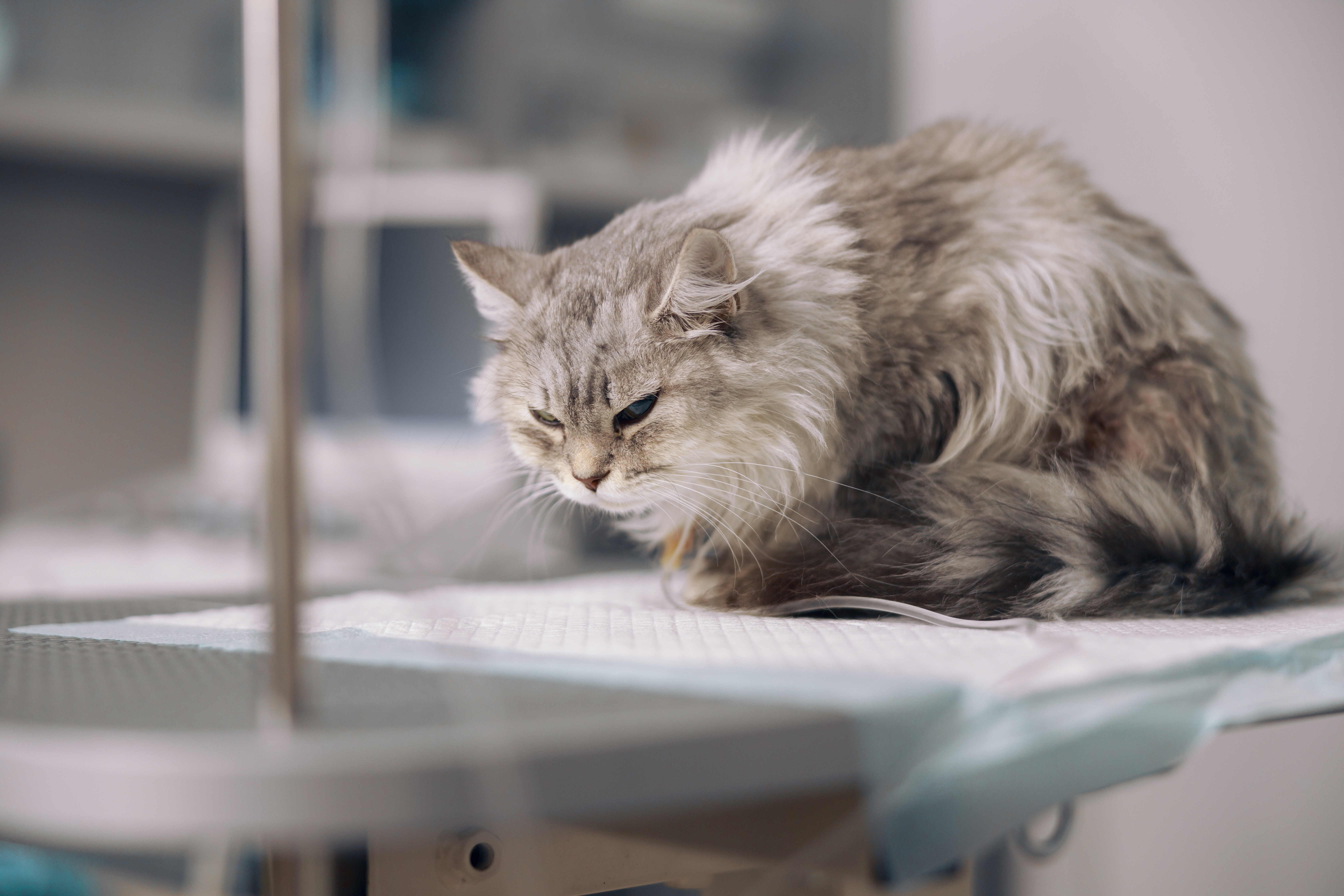
Cats are known for being independent and resilient, but those same traits can make illness hard to detect. Many cats instinctively hide discomfort or weakness, which means early signs of a health problem are often subtle. Knowing what to watch for can help you catch changes sooner and get your cat the care they need before a condition becomes more serious.
Why Changes Can Be Easy to Overlook
Many cat owners expect obvious symptoms, but feline illness often shows up as small behavior shifts first. A cat that seems a little quieter, less social, or more withdrawn may not simply be having an off day. Even sleeping more than usual, staying in one position longer, or skipping their usual greeting at the door can signal that something is wrong.
Small Behavior Changes that Deserve Attention
One of the clearest warning signs is a change from your cat’s normal routine. Cats may hide more, groom less, avoid jumping, lose interest in play, or become irritable when they are uncomfortable. Some cats become clingier instead of more distant, which is why any noticeable personality shift should be taken seriously.
Subtle Signs to Watch for at Home
Keep an eye on these often-overlooked clues:
- Eating less or showing less interest in treats
- Drinking more water than usual
- Using the litter box differently
- Hiding in unusual places
- Moving more slowly or hesitating before jumping
- Changes in grooming, including a messy coat
- Increased vocalizing or unusual quietness
How Your Vet Can Help
When a cat starts showing subtle signs of illness, a veterinary visit can help uncover what may be going on beneath the surface. At MPC Veterinary Care, we can evaluate changes in appetite, weight, mobility, litter box habits, behavior, and energy level with a thorough wellness exam and a close review of your cat’s symptoms. From there, we may recommend diagnostic testing or imaging, including radiology, to look for pain, injury, illness, or other underlying conditions that are not obvious at home. Once we identify the cause, we can create a treatment plan focused on relieving discomfort, managing the condition, and helping your cat feel more like themselves again.
The Importance of Routine Wellness Exams
Routine wellness exams play an important role in protecting your cat’s long-term health. Because cats often hide pain and illness so well, regular checkups can help detect problems before they become more advanced and harder to treat. During these visits, your veterinarian can monitor changes in weight, behavior, mobility, appetite, and overall condition that may be easy to miss at home. Wellness exams also give you the chance to discuss any subtle changes you have noticed, even if they seem minor.
If your cat is showing subtle signs of illness, contact MPC Veterinary Care to schedule an appointment. Visit our office in San Antonio, Texas, or call (210) 556-7950 today.


© 2026 MPC Veterinary Care | All rights Reserved | Privacy Policy | Sitemap
Powered by
